Calories Schmalories: A Smart Embroidery Choice for Small Businesses
First Impression: Playful, Confident, and Uniquely Food-Friendly
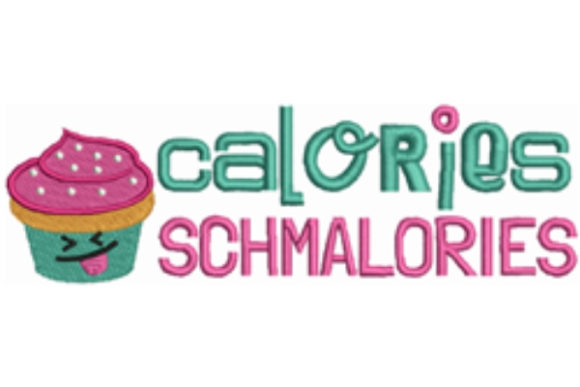
As an embroidery designer who’s digitized and stitched hundreds of food-adjacent logos—from artisanal bakeries to farm-to-table cafés—I immediately recognize Calories Schmalories as a standout. The name itself carries wit and warmth—playful without being childish, confident without feeling corporate. It reads like a brand voice: friendly, slightly cheeky, and authentically human. That tone translates directly into visual potential. Based on the description—“eye-catching,” “high-quality embroidery ready for your next sewing project,” and “lovely embroidery will look great on any fabric”—this isn’t just decorative stitching. It’s a machine embroidery design built for intentionality.
Real-World Business Use: Where Calories Schmalories Shines
Small business owners don’t embroider for fun alone—they invest in custom apparel and branded patches to build trust, reinforce identity, and turn everyday items into marketing tools. Calories Schmalories delivers across multiple high-impact applications:
- Embroidered patches for aprons, tote bags, or staff jackets—its balanced proportions hold up beautifully when heat-sewn or sewn-on.
- Cap embroidery on structured front panels: the name’s rhythm and spacing suggest strong legibility even at 2.5” width.
- Apron embroidery above the pocket or centered on the bib—its charm enhances handmade presentation without overwhelming utility.
- Tote bag design for retail or event merch: it reads clearly at scale and adds personality to sustainable packaging.
- Product packaging accents, like stitched tags on jam jars or coffee sacks—small but memorable branding that elevates perceived value.
- Etsy branding and craft business assets: when paired with hand-drawn labels or printable mockups, Calories Schmalories reinforces authenticity and creative confidence.
Where to Use Calories Schmalories Thoughtfully
Even strong designs need smart placement—and this one is no exception. Because it’s rooted in food (a category where clarity and approachability matter), consider these practical limits:
- Avoid ultra-small patch sizes (under 1.75”) unless you’ve tested the lettering. “Schmalories” has nuanced letterforms—tight spacing or condensed scaling may blur readability.
- Caps with deep curvature (like low-profile trucker caps) require careful hooping and stabilizer selection—test first on similar fabric texture.
- Dark uniforms or textured fabrics (like heavy canvas or linen blends) demand contrast checks: confirm thread colors pop before full production.
- Frequent-wash items (staff aprons, kitchen towels) benefit from moderate stitch density—review the digital embroidery file for excessive fill areas that could stiffen fabric over time.
Brand Identity Impact: More Than Just Stitches
For small businesses—especially in food, handmade goods, or local retail—Calories Schmalories does more than decorate. It signals personality. A bakery using it on staff aprons tells customers, “We take our craft seriously—but we don’t take ourselves too seriously.” A florist adding it to reusable totes implies joyful abundance. A pet brand stitching it onto bandanas? Instant charm and memorability. That emotional resonance strengthens brand identity, increases customer recognition, and supports visual consistency across touchpoints—from physical merchandise to social media mockups. When buyers see Calories Schmalories repeated thoughtfully (on a cap, then a tag, then a tote), they subconsciously associate it with reliability and care. That builds trust faster than any slogan.
Practical Designer Notes Before You Stitch
Before launching Calories Schmalories into commercial embroidery, run these essential checks—especially if you’re an embroidery shop serving small business clients or a maker producing at scale:
- Test in black and white first. Simulate how it reads on light and dark fabric—does “Schmalories” stay distinct? Does kerning hold?
- Verify small-patch viability. Resize to your most common patch dimension (e.g., 2” x 1.25”) and inspect spacing and stroke weight.
- Review thread color contrast. Avoid near-matching tones on background fabric—especially for food-related brands where freshness and clarity are key.
- Inspect spacing and alignment. Look for tight letter pairs (like “ll” or “ri”) that might merge during stitching.
- Confirm hoop size compatibility. Ensure the design fits your standard hoops without awkward re-hooping mid-stitch.
- Test on real fabric. Run a sample on your target material—cotton twill, denim, canvas—to assess drape, stiffness, and stabilizer needs.
- Use proper stabilizer. Medium-weight cutaway works best for structured items; tear-away suits lightweight totes or linens.
- Create a printable mockup. Present it to your client alongside actual fabric swatches—not just screen previews.
- Compare beside other design assets. Does Calories Schmalories harmonize with your logo, typography, or secondary patterns?
- Confirm commercial licensing. Since this is intended for small business merch and branded patch use, verify the digital embroidery file includes rights for resale, promotional use, and client projects.
Final Thought: A Versatile Anchor for Food & Craft Brands
Calories Schmalories isn’t just another food-themed embroidery file—it’s a strategic branding tool. Its balance of wit and craftsmanship makes it ideal for businesses that want to stand out without shouting. Whether you're stitching for a neighborhood café, a handmade soap studio, or a boutique pet treat line, this design brings cohesion, character, and quiet professionalism to every finished product. For embroidery shops and small business owners alike, choosing Calories Schmalories means investing in more than stitches—you’re investing in recognition, resonance, and repeat customers.